The Lost-Wax Process
When starting a sculpture, our journey begins with the careful study of the original 2D illustrations. We immerse ourselves in the artist’s mark-making techniques, translating those drawn details into a dynamic three-dimensional form. Deep exploration is essential to capturing the essence and spirit of the character.
From there, we bring the model to life using the ancient lost-wax casting technique, in which molten bronze is poured into precisely crafted moulds to bring the characters into the world.
Sculpting the Model
The process begins with the creation of a clay or wax model, which is the final form of the sculpture. We dedicate a great deal of time and attention to this phase, especially when creating characters from classic literature. In these cases, we work faithfully from the original illustrations or texts, ensuring every detail is captured exactly as envisioned. The model is carefully refined, with any imperfections corrected to preserve the integrity of the original design.
Mould Making
Once the model is completed, it is coated in silicone rubber to capture its intricate details and form. This mould is typically made in several parts, depending on the complexity of the sculpture. To ensure the mould is strong enough to withstand the casting process, it is reinforced with a rigid support shell, made from plaster or fibreglass.
Wax Model
In the traditional lost-wax casting process, the mould is filled with molten wax to create a hollow wax version of the sculpture. This wax model is then removed from the mould and inspected for imperfections. Any air bubbles, seams, or surface flaws are meticulously corrected using heated tools and sculpting instruments so that the wax form is a replica of the original clay model.
Building the Ceramic Shell
The model is repeatedly dipped into a liquid ceramic emulsion, then coated with fine ceramic particles. This process is repeated - typically 7 to 10 times - allowing each layer to dry and harden before the next is applied. These layers gradually build a strong, heat-resistant female mould that captures every surface detail of the wax, preparing it for the high temperatures of the firing and pouring stages.
Melting out the wax
The firing process involves gradually heating the ceramic shell in a kiln to around 900-1000°C (1650-1830°F). This does two things: It vitrifies the ceramic, making it strong enough to withstand the molten bronze, and it melts out the wax from inside the shell.
The wax burns or drains away completely, leaving a clean hollow mould – this is the key step in the ‘lost wax’ process
Pouring the Molten Bronze
The ceramic mould is preheated in a kiln to prevent thermal shock, and bronze ingots - solid pieces of the alloy - are melted in a crucible until they reach around 1,200°C (2,200°F). Once fully molten, the bronze is carefully poured into the mould, flowing into the cavities left by the melted wax. This stage demands precision and steady handling.
Breaking the ceramic shell
Once the metal has fully hardened and cooled, the outer ceramic shell is carefully broken away. This is typically done using tools such as hammers or by sandblasting to ensure the metal casting underneath is not damaged. The bronze piece revealed at this stage is known as a raw or rough casting.
Chasing and Fettling
The sculpture is then refined through a process called ‘chasing and fettling'. Through fettling, rough edges, casting seams, and excess material from the mould are removed. Chasing involves carefully reworking the surface - tools are used to sharpen details, fix imperfections, and blend welded sections seamlessly. This step restores the original textures and ensures the sculpture looks cohesive and polished before patination.
Patination
Finally, patinas are applied to the bronze surface using heat and acid and alkaline solutions. When these chemicals react with heated bronze, they form thin layers of oxides and salts on the surface, producing a variety of colours, from deep browns to vibrant greens and blues.
Final checks
The final stage of the process is a thorough inspection and preparation for delivery. This is where we edition the piece, carry out final wax and polish on the sculpture, ensuring every detail is as intended, and the piece meets our highest standards. The sculpture is carefully packed and prepared for delivery, along with a certificate of authenticity.
What is the difference between Hot Cast Bronze and Cold Cast Bronze?
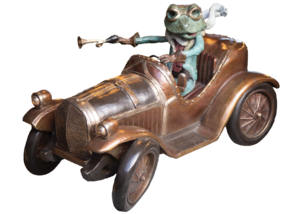
Hot Cast
Hot cast bronze casting involves the pouring of pure molten bronze into a mould at high temperatures.
This results in a sculpture prized for its strength, resilience, and timeless appeal. Since it is made entirely from bronze, the sculpture has a substantial weight and a deep, rich finish that ages beautifully over time.
Additionally, The Robert James Workshop limited edition of hot cast sculptures are regarded as inheritance pieces, making them a wise investment for families, collectors and art enthusiasts.
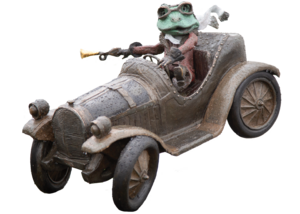
Cold Cast
Cold cast bronze, in contrast, uses a mixture of marine-resin and bronze metal powder, poured into a mould without the need for heat.
While it can closely mimic the appearance of true bronze, cold cast sculptures are much lighter and less durable since they consist mostly of resin. This makes them more affordable, but they do not have the strength and longevity of their hot cast cousins.
Cold cast pieces are more vulnerable and should always be treated like ceramic when being handled.
Timeframes
As all of our sculptures are handmade to order, the hot cast bronze sculptures typically take between 12–20 weeks to complete, while the cold cast bronze sculptures require a timeframe of 6–10 weeks. These timelines allow us to ensure the highest quality craftsmanship and attention to detail in every piece.
Due to the less durable and less sustainable nature of resin, our cold cast bronze range is a smaller collection compared to our hot cast pieces. However, if you love a piece that is not listed as available in cold cast, please get in touch and we will happily discuss whether it may be possible. And if you need a sculpture for a special occasion before the estimated date, let us know — we will do our very best to accommodate your needs and meet your request.
Sculptures and Water Features
Write your own chapter
Our sculptures are designed to be lived with. To weather the frost, to gather moss, and to become part of the family. We invite you to find the character that speaks to your story.

 Updating page...